


للمهنيين المعماريين والتشييد | Dubai Construction Industry | BIM & Coordination Series
كل عام Dubai Construction Industry يفقد مليارات الدولارات ليس بسبب نقص المواد أو الإضراب عن العمل أو الكوارث الطبيعية، بل بسبب فشل التنسيق الذي يمكن الوقاية منه. قناة تجري في شعاع هيكلي مطاردة السباكة التي لم يتم حسابها قناة كهربائية مُوجّهة عبر مكان سبق أن طالبت به شركة HVAC. هذه ليست أحداث نادرة وهي الصرف الهادئ والثابت الذي يضخم الميزانيات، ويمتد الجداول الزمنية، ويضغط على علاقات العملاء عبر آلاف المشاريع.
وبالنسبة للمهندسين المعماريين، فإن فهم سوء تكاليف تنسيق البناء ليس مجرد شاغل مهني. إنها كفاءة أساسية ومع ارتفاع نماذج معلومات البناء وتدفقات العمل الذكية في مجال الكشف عن الاصطدام، لم يكن هناك وقت أفضل لمعالجة هذه المسائل في مرحلة التصميم وليس في المرحلة الميدانية.
ما هو تنسيق البناء، ولماذا ينهار؟
ويشير تنسيق التشييد إلى الإدارة المتكاملة لوثائق التصميم، والنطاقات التجارية، وتسلسلات التشييد بحيث يلائم كل عنصر من عناصر المبنى معا ماديا ووظيفيا وتعاقديا. وهو يغطي العلاقة بين النظم المعمارية والهيكلية والمتوسطة (الميكانيكية والكهربائية والألمانية) فضلا عن تحديد مواعيد المعالين بين التجارة.
انقطع التنسيق لعدة أسباب موثقة توثيقا جيدا:
- تأديب التصميم الحريري الذي يعمل من مجموعات الرسم المقطعة
- التغييرات في تصميم المراحل المتأخرة التي لا تُنشر عبر جميع الرسومات التجارية
- الاعتماد المفرط على الموظفين الميدانيين لحل النزاعات التي كان ينبغي الإمساك بها في مكتب التصميم
- عدم كفاية الإدارة (طلب المعلومات) مما يؤدي إلى تأخير اتخاذ القرارات
- عدم وجود بروتوكول تنسيق موحد على نطاق فريق التصميم والتشييد
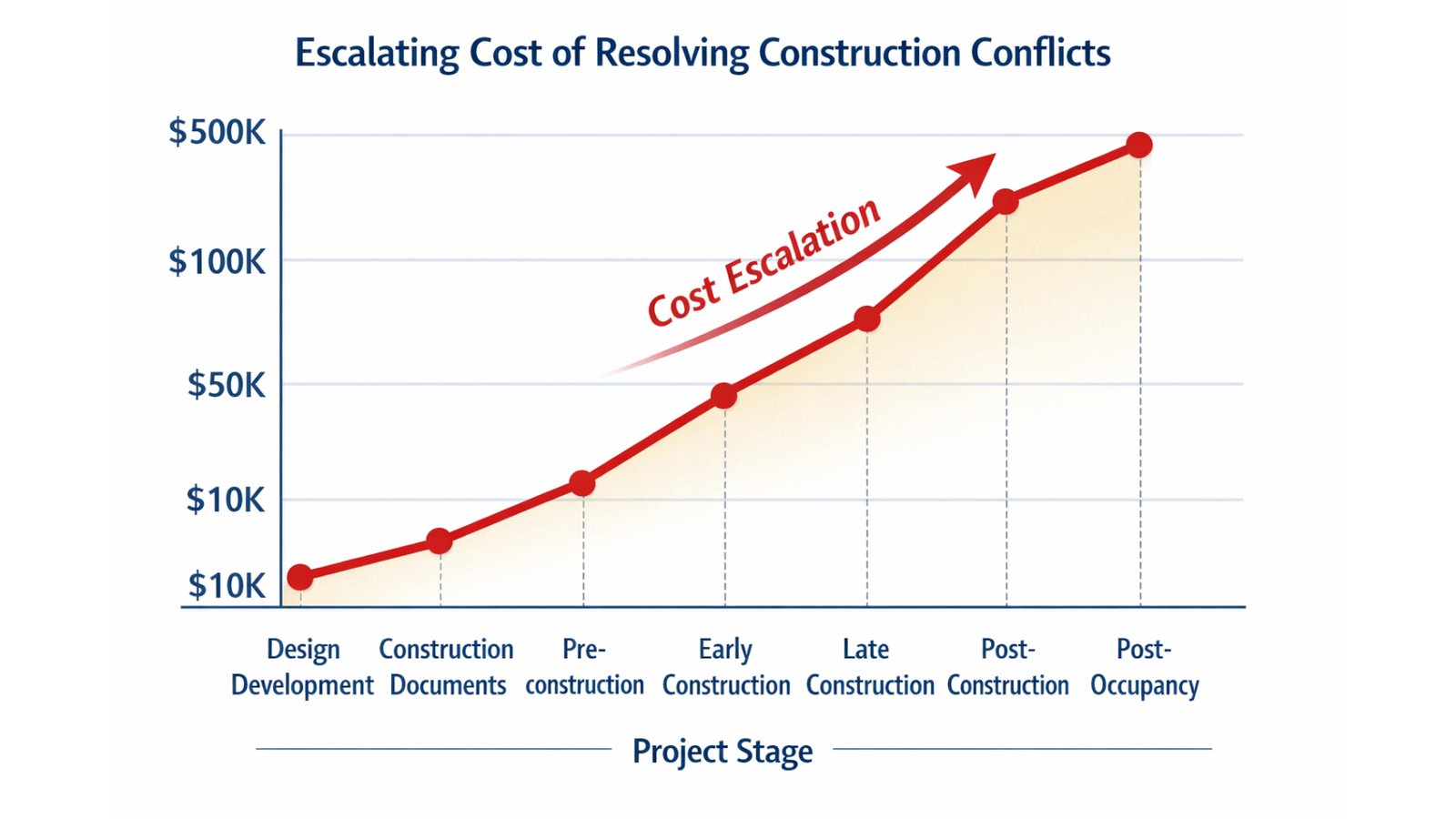
هذه الإنهيارات مجمعة ويمكن أن تؤدي قضية تنسيقية واحدة لم تحل بعد تتعلق بالخطط البيئية المتعددة الأطراف إلى سلسلة من أوامر التغيير، والتوجيهات المتعلقة بإعادة العمل، والجدول الزمني للتأخيرات التي تزيد كثيرا عن تكاليف الرقابة الأصلية على التصميم.
The Real Financial Impact: Quantifying Poor Construction Coordination Costs
الأرقام تذوب According to research published in industry studies and supported by findings from the Construction Industry Institute (CII), rework accounts for approximately 5 to 15 percent of total project costs on typical U.S. commercial construction projects. ويعود جزء ذو مغزى من عملية إعادة العمل هذه مباشرة إلى حالات فشل التنسيق.
| الفئة | تقدير الأثر على مشاريع الولايات المتحدة |
| الأعمال بسبب المصادمات (جميع الأسباب) | 5% to 15% of total project cost |
| تغيير أوامر الفشل في التنسيق | 3 في المائة إلى 8 في المائة من قيمة العقد |
| تأخر الجدول بسبب مؤسسات التمويل الإقليمية التي لم تحل | من 10 إلى 30 يوما إضافيا في منتصف المشاريع |
| إعادة العمل في مشاريع غير منسقة تنسيقا كافيا | ما يصل إلى 40 في المائة من تكاليف العمل في الميدان |
| متوسط التنسيق بين إدارة الشؤون الإدارية | 10:1 إلى 15:1 نسبة التكلفة إلى المنافع |
هذه ليست نسب مئوية مختصرة على $50 مليون مشروع مكتب تجاري، يمثل معدل إعادة العمل 7 في المائة $3.5 مليون دولار من القيمة المفقودة وهذا الرقم لا يمثل التكاليف الأقل وضوحا: التعرض للمسؤولية المعماري، ومنازعات المتعاقدين من الباطن، وتآكل ثقة العملاء، وتصريف نطاق إدارة المشاريع.
| A 2018 دراسة من قبل Autodesk و FMI وجدت أن $فقد 177.5 بليون دولار في صناعة التشييد في الولايات المتحدة سنويا بسبب ضعف بيانات المشاريع وسوء الاتصالات، مع تحديد تفاصيل التنسيق كمساهم رئيسي. |
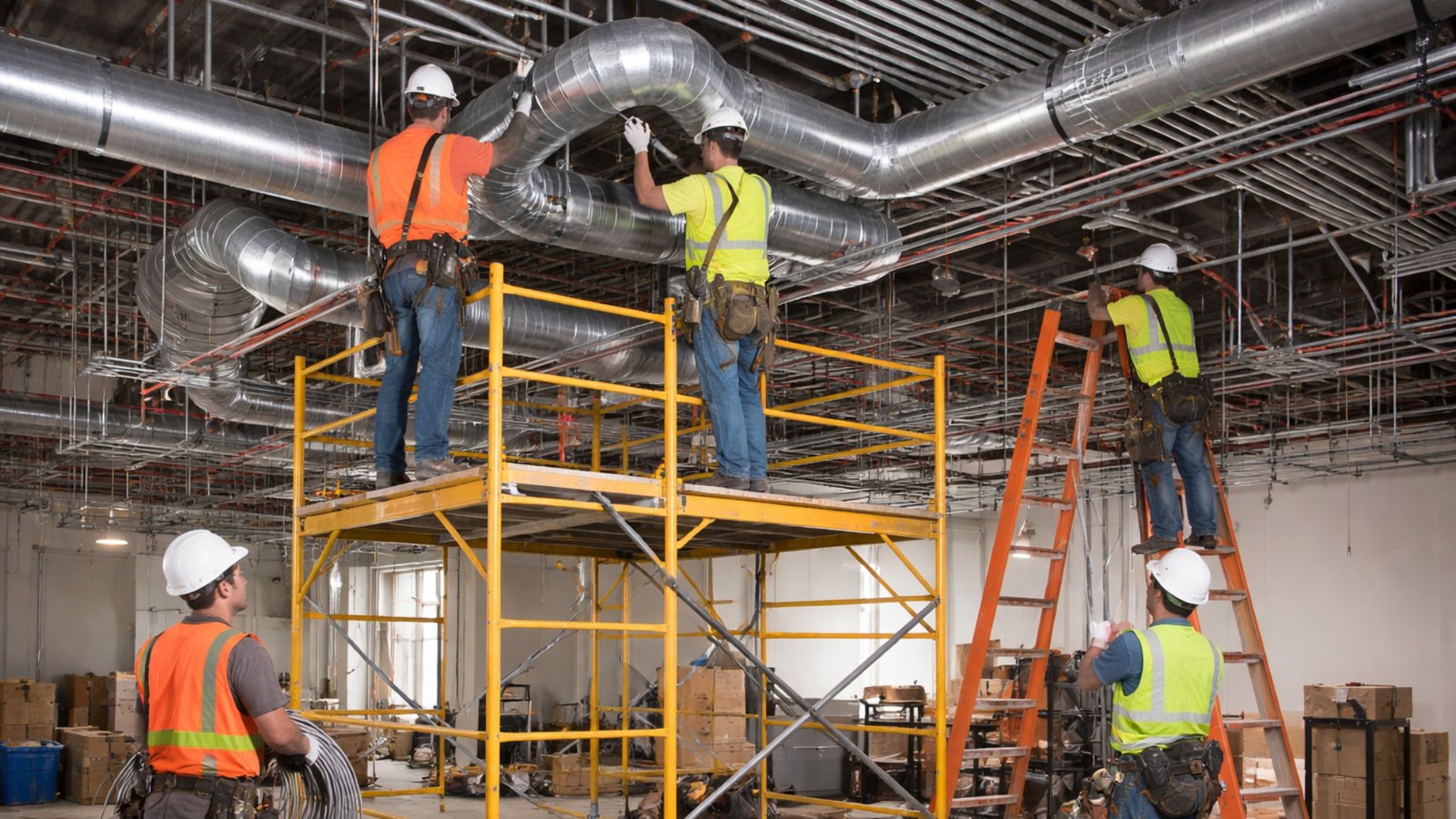
حيث يفشل تنسيق البرنامج البيئي المتعدد الأطراف
ولا يوجد مجال للتشييد أكثر عرضة للفشل في التنسيق من نظم التخطيط المتعدد الأطراف. وتتقاسم النظم الميكانيكية والكهربائية والسباكة سقفا ضيقا من مساحات السقف، ومناطق الشباك العمودية، والأرضية المشتركة بين القبائل مع الأعضاء البنيويين والنهاية المعمارية. هامش الخطأ هو الحد الأدنى، وعدد التجارة المعنية مرتفع.
وقد اعتمد التنسيق التقليدي للشراكات المتعددة الأطراف على الرسومات المجزأة 2D، واستعراضات النفقة اليدوية، واجتماعات التنسيق الدورية. وهذه الأساليب محدودة بطبيعتها. ولا يمكن للرسومات الثنائية الأبعاد أن تتواصل على نحو موثوق به النزاعات الثلاثية الأبعاد، وتتوقف النفقات اليدوية كليا على نوعية واكتمال الرسوم التجارية الفردية في لحظة معينة من الزمن.
ويغير تنسيق البرنامج البيئي المتعدد الأطراف هذه المعادلة بصورة أساسية. وبإنشاء نظم ميكانيكية وكهربائية وسباكة في إطار بيئة نموذجية مشتركة قوامها 3D، يمكن لأفرقة التصميم أن تحدد الصراعات المادية قبل طلب قطعة واحدة من القنوات.
الإخفاقات المشتركة في التنسيق بين الشركات المتعددة الأطراف في الميدان
- تضارب الأعمال: أعمال الدوقة التي تجري من خلال أحزمة هيكلية غير مصممة في رسومات التنسيق
- Sprinkler vs. ceiling: حواجز رئيسية متضاربة مع شبكات الحد الأقصى بسبب ارتفاعات نهاية غير منسقة
- تصريح الدخول: حزم النقل الكهربائي التي تحجب لوحات الدخول للمعدات الميكانيكية
- منحدر اللوم: مساحات النفايات المحتوية على منحدرات غير كافية بسبب تنافس النظم في مساحات السقف الضيقة
- وضع المعدات: المولدات أو المحولات المتعارضة مع مسارات الانحدار أو الأعمدة الهيكلية
ويمكن الكشف عن كل من هذه الإخفاقات من خلال تدفقات عمل تنسيقية سليمة للإدارة البيئية قبل بدء البناء. ويصبح كل منها أكثر تكلفة عندما يكتشف في الميدان.
خط الدفاع الأول
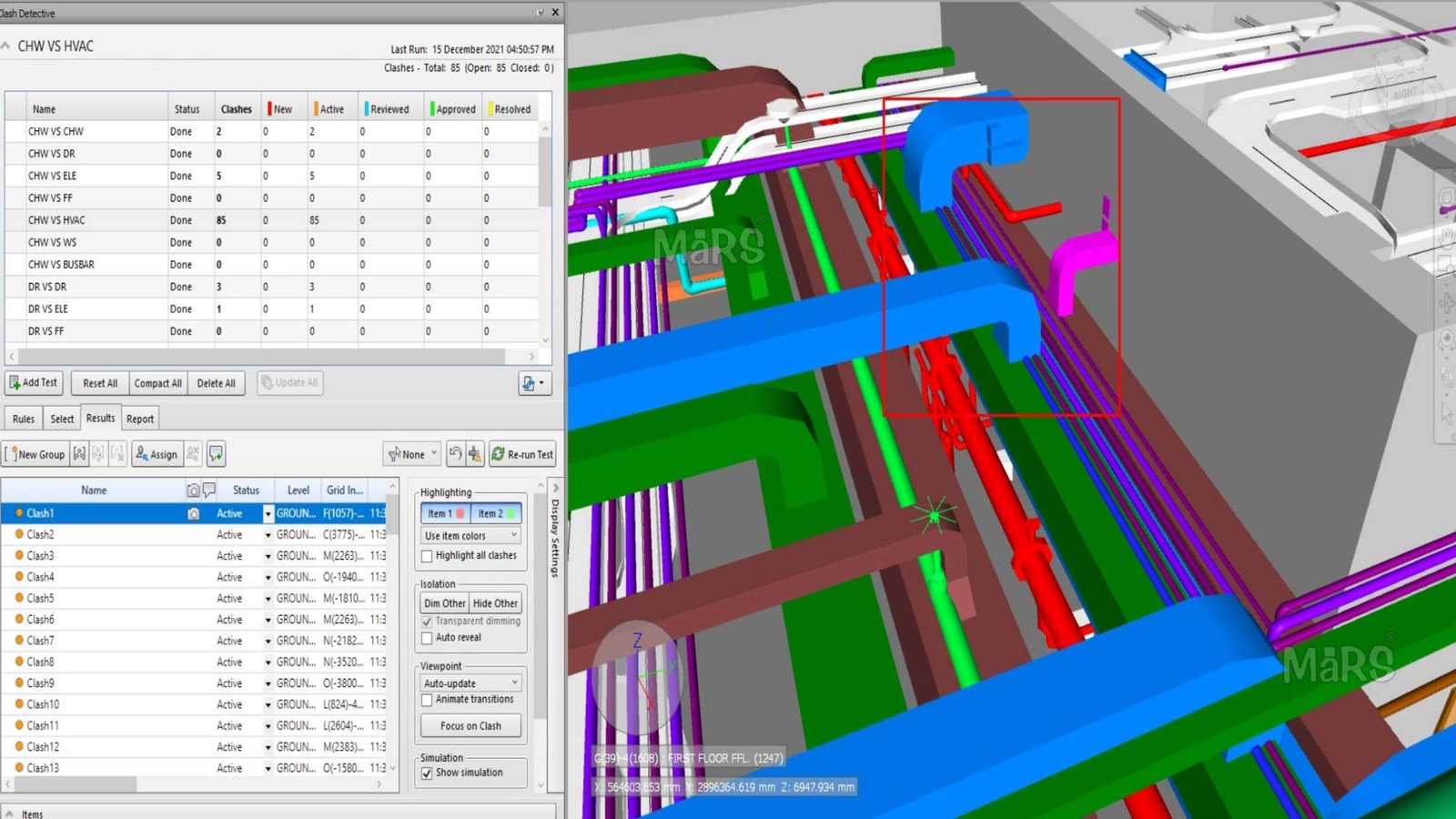
والكشف عن الاصطدام في شركة BIM هو العملية الآلية لتحديد النـزاعات الجيولوجية الملاحية بين عناصر البناء في بيئة نموذجية قوامها 3D. وباستخدام منابر مثل ألعاب نافيسك أوتوماتيك أو تنقيح أو أدوات مماثلة، يمكن لأفرقة التنسيق أن تجري عمليات تفتيش للتدخل من شأنها أن تبرز اشتباكات صعبة (التداخلات الجسدية المباشرة)، والاشتباكات اللينة (الانتهاكات التقريبية التي تؤثر على متطلبات الوصول إلى الصيانة أو التطهير)، والمواجهات المتعلقة بسير العمل (التضارب بين التجارة).
وفقاً وثائق شركة Autodesk ' BIMويمكن لتدفقات العمل الفعالة للكشف عن الاصطدام أن تقلل من المؤسسات الاتحادية الإقليمية بنسبة تصل إلى 40 في المائة وأن تخفض تكاليف إعادة العمل في الميدان بدرجة كبيرة عند تنفيذها في وقت مبكر في مرحلة وضع التصميم. العبارة الرئيسية هنا "منفذ مبكراً" وتتبع عملية الكشف عن الصدام في مرحلة إعداد وثائق البناء، بعد أن تكون قرارات التصميم الرئيسية مقفلة، وفورات أقل بكثير من مدخرات الكشف خلال وضع مخططات أو تصميمات.
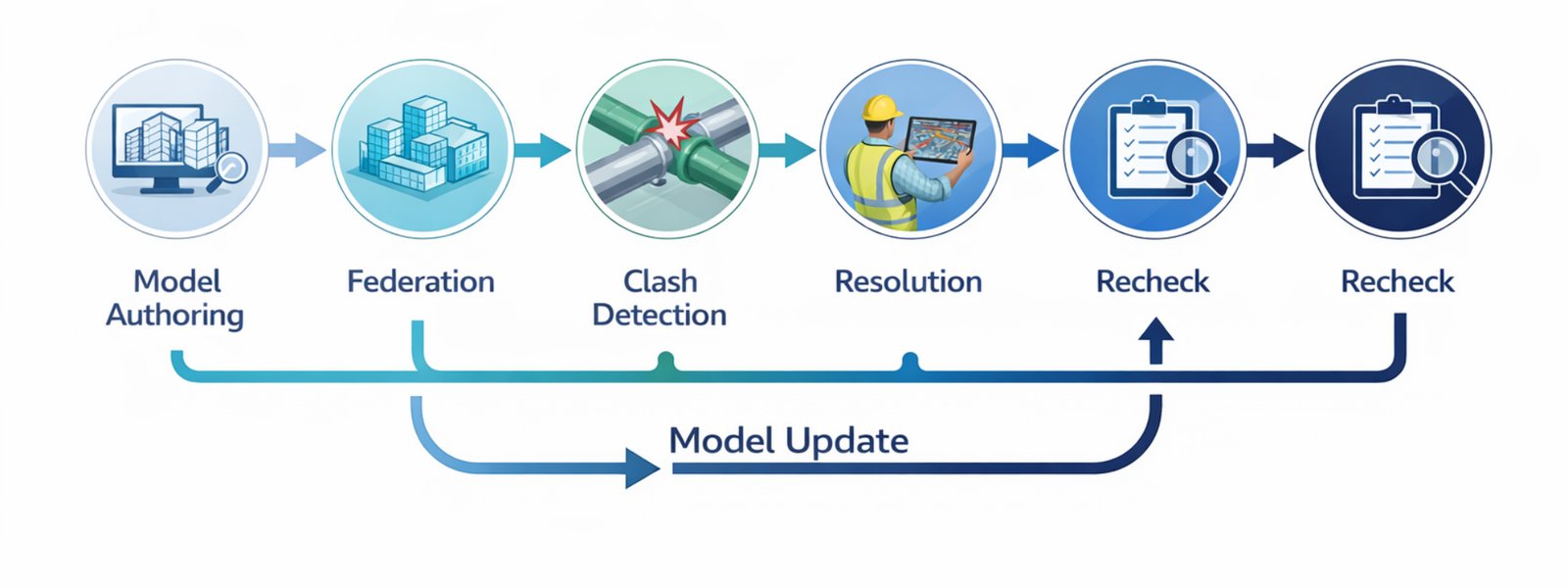
Structured BIM Coordination Workflow
- إصدار نموذجي: يطور كل انضباط نظمها في بيئة اتحادية للإدارة المتكاملة للمواد الكيميائية مع معايير نموذجية متفق عليها ومتطلبات مستوى التنمية
- الاتحاد النموذجي: تدمج النماذج الانضباطية في نموذج واحد للتنسيق باستخدام النافيس زمالات، أو BIM 360، أو ما يعادلها
- عملية الكشف عن الاصطدام: تُجرى عمليات التحقق من التدخل الآلي عبر أزواج الانضباط (الهيكل الأساسي ضد الميكانيكي والسباكة ضد الكهرباء، وما إلى ذلك)
- استعراض التصادم وحله: ويحاول فريق التنسيق إجراء صدامات على سبيل الأولوية، ويسند المسؤولية، ويوثق القرارات
- تحديث النموذج وإعادة فحصه: تحديث التأديب لنماذجها، وإعادة التحقق من المصادمات لتأكيد القرار قبل الانتقال إلى المرحلة التالية
وتدفق العمل هذا، الذي تكرر في مراحل التصميم الرئيسية، هو الأداة الوحيدة الأكثر فعالية المتاحة لتصميم أفرقة من أجل الحد من مسائل تنسيق التشييد قبل أن تصبح مشاكل ميدانية.
The Architect’s Role in Preventing Coordination Failures
وتشغل المهن المعمارية موقعا فريدا في سلسلة تنفيذ المشاريع. ولما كان المهندس المعماري رائدا في تصميم معظم أنواع المشاريع، فإنه ليس مسؤولا فقط عن القصد من تصميم المبنى وإنما أيضا عن بيئة التنسيق التي تعمل فيها جميع التخصصات الأخرى. وقد تزايدت هذه المسؤولية أكثر إلحاحا حيث أصبحت نظم البناء أكثر تعقيدا وتكاملا.
وضع بروتوكول التنسيق
ولا ينتج المهندسون المعماريون الأكثر فعالية الرسومات ويسلمونها إلى منسق شركة BIM. وهي تنشئ الهياكل الأساسية للتنسيق في بداية المشروع. وهذا يعني تحديد خطة التنفيذ الخاصة بالمبادرة، وتحديد متطلبات التخلص من الذخائر المتفجرة لكل مرحلة، والاتفاق على الجداول الزمنية لتقاسم النماذج، وتحديد مسؤوليات واضحة لحل المنازعات في مصفوفة التنسيق الخاصة بالمشروع.
Integrating Structural and MEP Allowances in Early Design
ويتمثل أحد أكثر المصادر شيوعاً لقضايا التنسيق في المراحل المتأخرة في عدم حجز حيز كاف لنظم التخطيط المتعدد الوسائط أثناء التصميم المعماري. وعندما تُنشأ المرتفعات القصوى، والأعماق الكثيفة، والمواقع الصاعقة، دون الإشارة إلى متطلبات واقعية تتعلق بالتخطيط المتعدد الوسائط، يُترك فريق التنسيق يحل مشكلة هندسية مجهدة أكثر مما ينبغي ولا يوجد حل نظيف لها في كثير من الأحيان.
ويدخل المهندسون المعماريون الذين يفهمون التنسيق فيما بين الشركات المتعددة الأطراف في عملية التصميم في وقت مبكر، ويستخدمون النموذج الثلاثي الأبعاد لاختبار الافتراضات المكانية، ويعاملون التنسيق بين الكثافة على أنه انضباط في التصميم وليس مشكلة ما بعد التصميم.
إدارة التغيير الاستباقي
تغييرات التصميم لا مفر منها. الضرر الذي تسببه ليس كذلك وعندما يصدر مهندس خطة طابقية منقحة أو تغيير في الارتفاع الأقصى، تكفل عملية تنفيذ المشاريع التي تراعي التنسيق أن يكون التغيير موجهاً على الفور إلى جميع الحرف المتضررة، وتُحدَّث نماذج الاستثمار الثنائية وتعاد شحنها من أجل المواجهات، وتُسوَّى المؤسسات المالية الإقليمية المتأثرة قبل أن تُدرَج أعمال ميدانية.
ويشكل عدم إدارة التغييرات في التصميم من خلال عملية التنسيق بين إدارة المشاريع أحد أكثر الأسباب شيوعاً لقضايا تنسيق التشييد في المراحل المتأخرة، حتى في المشاريع التي بدأت ببروتوكولات تنسيق قوية.
The Cost-Benefit Case for BIM Coordination Investment
وكثيراً ما تركز المهندسات المعمارية ومالكو المشاريع الذين يشكلون شكلاً لاستثمارات التنسيق بين المشاريع الصغيرة والمتوسطة الحجم على التكلفة الأولية: ساعات إضافية للنموذج، وترخيص البرمجيات، وتوقيت اجتماعات التنسيق. هذا التفريغ يفتقد نسبة النفوذ
البحوث من المعهد الوطني للمعايير والتكنولوجيا ودراسات الصناعة المستقلة تبين باستمرار أن كل دولار يستثمر في تنسيق ما قبل البناء ينقذ بين $10 $15 في مجال إعادة العمل الميداني، وإدارة أوامر التغيير، وجدول تكاليف الاسترداد. العودة ليست هامشية. إنه هيكلي
| ويمكن لعملية تنسيق جيدة الإدارة المتكاملة لأمراض النساء في مشروع معقد للرعاية الصحية أن تزيل ما بين 85 و 90 في المائة من المواجهات الميدانية التي يمكن اكتشافها قبل وقوعها. وفي مشروع يضم 000 5 اشتباكات محددة، يمثل حل 500 4 منها في النموذج بدلا من الميدان نتيجة غير عادية لتجنب التكاليف. |
The investment also has intangible returns. وتجتذب المشاريع التي لها سجلات قوية لتنسيق أنشطة الاستثمار الثنائية عطاءات أفضل للمتعاقدين من الباطن (تخفيض السعر عندما تكون وثائق التنسيق قوية)، والحد من التعرض المعماري للمسؤولية المهنية، وبناء نوع سمعة العملاء التي تولد أعمالا متكررة.
قضايا التنسيق المشترك للإنشاءات وكيفية حلها
| مسائل التنسيق | BIM Solution |
| التضارب في الهيكل | الكشف عن الصدامات الصلبة أثناء وضع التصميم |
| Sprinkler vs. ceiling altitude conflicts | Federated model review with end layers active |
| الحيز المتاح للجميع | التخطيط المبكر للمناطق العمودية في نموذج 3D |
| انتهاكات تصاريح الدخول إلى المعدات | الكشف عن الاصطدام بمناطق التطهير |
| التسلسل التجاري للنزاعات على المسار الحرج | 4D scheduling integration with BIM model |
| تغيرات التصميم المتأخرة التي تسبب نزاعات ميدانية | إدارة التغيير المدمجة في سير عمل شركة BIM |
كيف يبدو تنسيق التصميم الجيد؟
إن التنسيق الجيد في مجال المعلومات البيئية ليس مجرد تنفيذ للتكنولوجيا. إنها ثقافة مشروع وتتقاسم نتائج التنسيق الأكثر نجاحا الخصائص المشتركة بصرف النظر عن نوع المشروع أو حجمه:
- A clearly defined BIM Execution Plan agreed upon before design development begins
- عقد اجتماعات تنسيقية منتظمة بحضور جميع الخيوط التأديبية، ليس فقط التقنيين
- مصفوفة ذات أولوية متداخلة تميز بين المواجهات الحرجة التي تتطلب حلا فوريا والمواجهات الطفيفة التي يمكن حلها في مرحلة التصميم التالية
- سجلات تسوية المنازعات الموثقة التي تخلق مسارا لمراجعة الحسابات لاتخاذ القرارات المتعلقة بالتصميم
- عملية إدارة التغيير التي توجه جميع تنقيحات التصميم من خلال سير العمل التنسيقي
- مشاركة الملكية في معالم التنسيق، لا سيما بالنسبة للنظم المعقدة أو مشاريع الشغل التدريجي
ال المبنى SMART إطار المعايير الدولية يوفر أساساً معترفاً به عالمياً لتنسيق أنشطة الاستثمار الثنائية المفتوحة، بما في ذلك معايير مؤسسة الصناعات التي تمكن من التشغيل المتبادل عبر مختلف منابر النماذج. وبالنسبة للمهندسين المعماريين الذين يعملون في مشاريع واسعة النطاق أو ذات تأثير دولي، من المتوقع بصورة متزايدة المواءمة مع هذه المعايير.
خاتمة
إن مشكلة إعادة العمل في صناعة البناء ليست غامضة. وأسبابه مفهومة جيدا، وتكاليفها موثقة توثيقا جيدا، وتتوفر حلول لها. The persistent gap between what is possible with good BIM coordination and what is common on U.S. construction projects today is not a technology problem. إنها مشكلة عملية وثقافية.
أما المهندسون المعماريون الذين يتولون قيادة بروتوكولات تنسيق قوية، ويستثمرون في التنسيق بين شركاء التنفيذ، وينفذون تدفقات عمل منظمة للكشف عن الصدامات، ويعاملون التنسيق بوصفه انضباطا في التصميم بدلا من مرحلة التشييد بعد التفكير، فهم لا يقومون فقط بحماية ميزانيات عملائهم. وهي تفرق بين ممارستها، وتخفض من تعرضها للمسؤولية، وتسلم المباني التي تعمل على النحو المصمم اعتبارا من اليوم الأول.
ويمكن منع سوء تكاليف تنسيق البناء. الأدوات موجودة ثبت تدفق العمل وعودة الاستثمار واضحة. وما تبقى هو الالتزام المهني ببناء التنسيق في كل مشروع من الخط الأول للنموذج.